Pool covers and pool covers – things to consider before buying
A pool can be just as much a luxurious jewel in your garden as it can be an aid to better health and enjoyment of life. The pool is also a valuable investment that is worth caring for and taking care of. A necessary step on the way to keeping your pool clean, intact and fresh is to get some kind of pool cover. Over time, a pool cover will save money, but whether you should invest in a pool roof or a simpler pool cover depends on a number of factors such as price, function and design.
Two options
There are actually two ways to cover and protect a pool. Either you use a flat pool cover or you install a pool roof. Both have their pros and cons and have different subcategories depending on what the cover is intended for, how discreet or dressy you want it to be in your garden and of course what budget you have in mind.
Please note that some pool covers, especially the cheaper versions, are not always made with winter and cold weather in mind, but are primarily intended as a safety cover. If you have, or are going to buy, such a cover, you will also need to buy a separate winter cover.


Function and differences
An obvious function of both pool covers and pool roofs is that they prevent accidents such as someone falling in. It is a simple safety measure for animals, children, adults and the elderly.
Both pool covers and regular covers also help reduce water evaporation and retain heat during cold days and nights. This means you save money through reduced energy and chemical consumption.
If you choose a pool cover, you can extend the pool season because the heat stays in longer. With a good pool cover, you can in some cases increase the swimming season by 2 extra months. With a pool cover and some circulation running, so that the water does not freeze during the winter, it is very quick to start the swimming season in the spring. Covering also makes it easier to maintain the pool. You avoid dirt, leaves and rain in the pool and have time for other things than cleaning.
A clear difference between a pool cover and a pool guard is that a pool cover offers greater opportunities to customize the appearance and function. This is also reflected in the price, where a pool cover costs more.
A roof can function as a more luxurious shelter, where the glass also creates a greenhouse effect that cannot be recreated with a traditional shelter with pipes or slats (although there are exceptions here too). A roof can also be built as a conservatory that can be so spacious that it can be used and furnished just as well as if the roof did not exist.
Different types of pool covers
The simplest types of pool covers are equipped with bars, often made of aluminum, that hold the cover up and distribute the weight if someone falls on it. This type of pool cover is rolled out manually, usually with a hand crank.
Note that many pool covers with bars are not intended for winter cover, but only as a safety cover. Double check if you want your cover to be adapted for the Nordic climate.
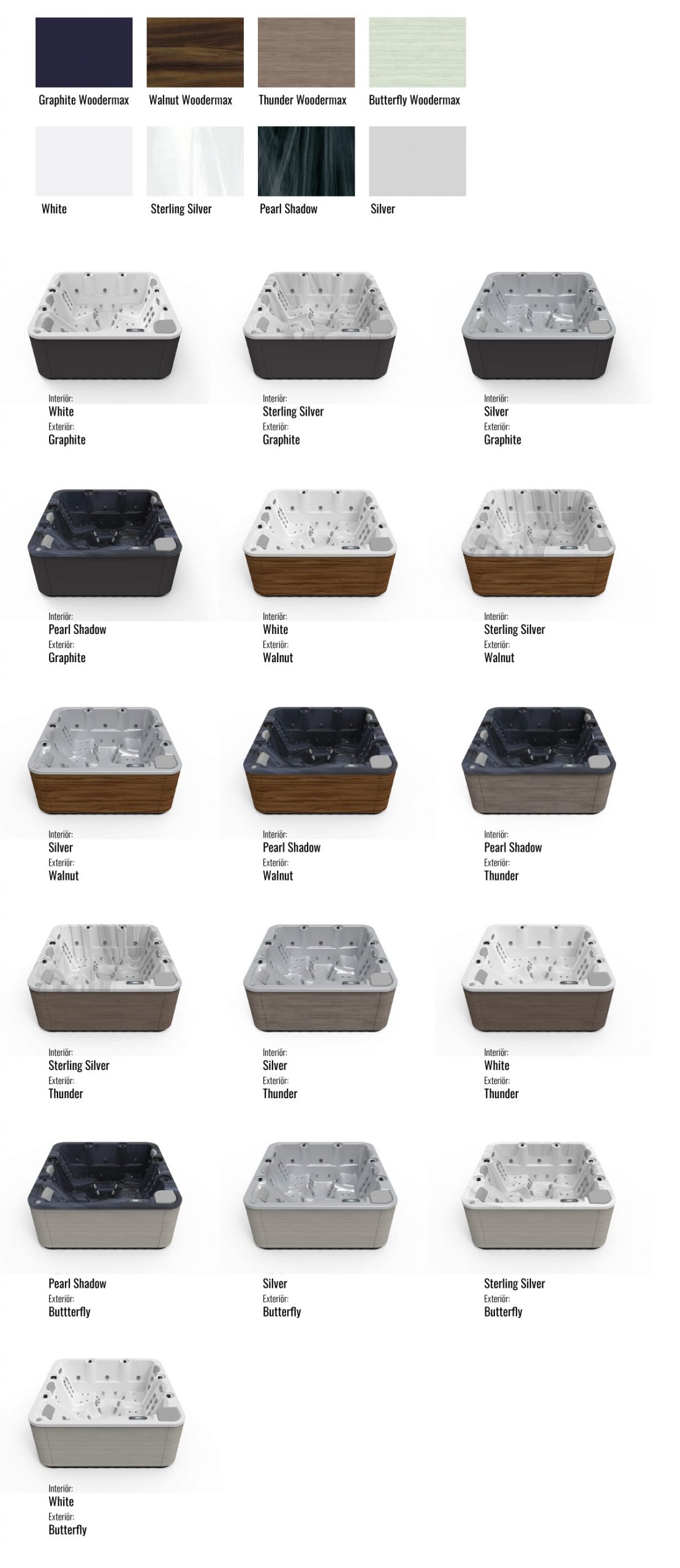
Another type of pool cover is the so-called slatted cover. The biggest difference compared to the manual covers with tubes is that this type can be rolled out automatically with a simple push of a button. The slatted cover is powered by an electric motor as standard and can be chosen in a variety of colors. 38 degrees offers more colors than most others on the market. This cover is an aesthetic upgrade from the covers with tubes because a rolled out slatted cover is completely flat. It floats on the water and can be walked on, but you sink a few centimeters into the water.
If you have a rectangular pool, pool covers generally have the advantage that they are mass-produced and are built to work regardless of the size of the pool (of course within a certain range). There are also roofs that are produced with the same principle - you buy a certain number of sections and assemble them yourself over the pool. However, this involves a little more puzzle-solving and planning to get it right. If you have a slightly more creative shape of the pool, you should be prepared to pay more for custom-made parts.


Pool cover – a little more planning, but better results.
When buying a pool cover, there are a few aspects to consider. Compared to regular covers, they are, as mentioned, more expensive and mean that you as a consumer need to do a little more research into the alternatives. The result is almost always better looking, more functional and more environmentally friendly. You also get lower chemical and energy consumption when done correctly.
You need to decide whether you prioritize aesthetics and design. With us you can choose from many different colors for the roof arches.
A brief summary of things to consider when buying a pool cover:
-
Make a budget – the difference in price can vary greatly between different roofs.
-
Low or high – Is the idea that you should be able to swim or not with the roof pulled forward? Do you want to be able to go and put furniture underneath?
-
Burglar-proof – if you plan to use the pool roof as a conservatory, it may be a good idea to install a lock.
-
Shape and material – Plastic and square or dome-shaped in clear plastic. Color of the roof arches?
-
We can get large amounts of snow in Sweden – choose a roof that is adapted to the Nordic climate.
This means, among other things, that the frames on the pool roof need to be strong.
-
Please note that installing a pool roof may require a building permit!
You get what you pay for
The difference between a pool roof and a pool cover is explained by the fact that roofs are generally nicer, easier to maintain and extend the swimming season more than a regular cover does.
A pool roof with a sufficiently high height means that you can also swim no matter how much it is windy, raining or snowing outside.
However, a cover is a minimum requirement if you are serious about preserving and protecting your pool. It will save on operating costs and chemical use, increase safety and keep your pool clean and fresh.
If you have any questions or concerns, contact us at 38 degrees.
CONTACT US